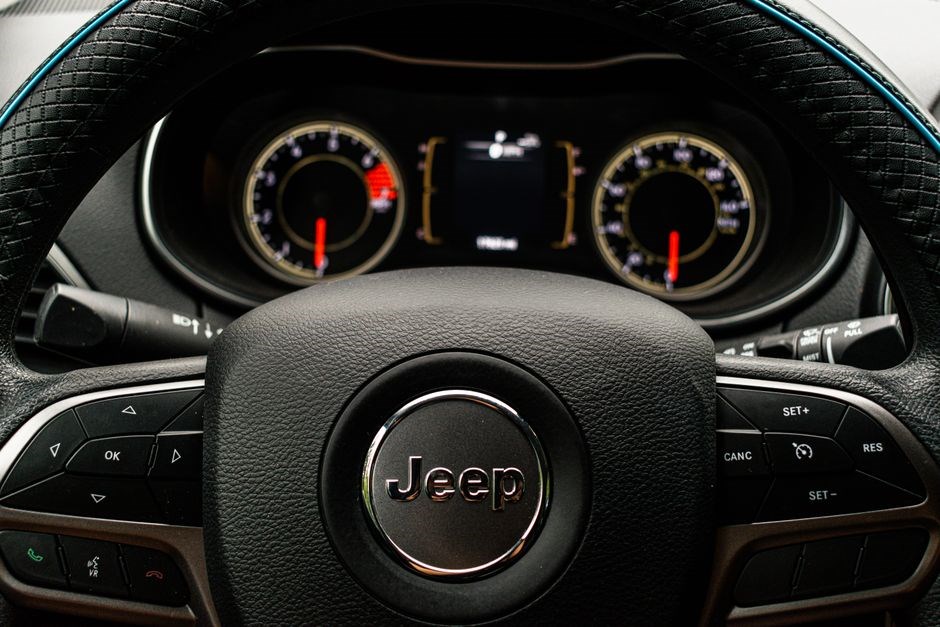
Vehicle Overview
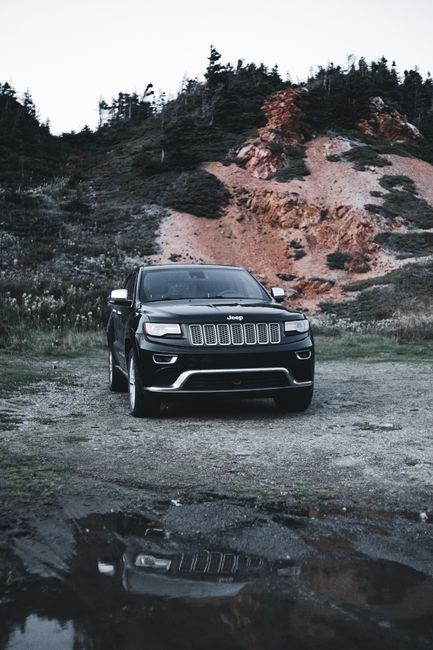
The 2013 Jeep Grand Cherokee offers robust off‑road capability, a comfortable interior, and a range of trims from L to Limited. Its 3.6L V6 delivers 285 hp, while the 4.0L V6 provides 260 hp. Standard features include a 7‑speed automatic, keyless entry, and a 10‑inch infotainment display. Thanks
Model and Trim Variants
The 2013 Jeep Grand Cherokee was available in six trim levels, each offering a blend of performance and comfort. The base L trim featured a 3.6‑liter V6, a 7‑speed automatic, and standard cloth upholstery. The Limited trim added leather seats, a power‑tilt/slide moonroof, and a 10‑inch touchscreen. The Trailhawk, designed for rugged terrain, came with a 4.0‑liter V6, a 4‑wheel‑drive system, and off‑road tires. The Overland trim offered a 4.0‑liter V6, a power‑lifted suspension, and a panoramic sunroof. The Summit and Summit Reserve trims were the most luxurious, each equipped with a 4.0‑liter V6, premium leather, heated seats, and advanced infotainment. All trims shared standard safety features such as dual‑stage airbags and a rear‑view camera, while higher trims added adaptive cruise control and blind‑spot monitoring. The 2013 Grand Cherokee’s lineup catered to drivers seeking everyday comfort or extreme off‑road capability, making it a versatile choice in the midsize SUV segment. 4.0‑liter V6 engine in Trailhawk, Overland, Summit, and Summit Reserve trims, delivering 260 horsepower and 270 lb‑ft of torque for better towing. The 2013 Grand Cherokee’s 4‑wheel‑drive system is on Trailhawk and Summit trims, while the base L and Limited trims offer front‑wheel drive. The 4.0‑liter V6 pairs with a 7‑speed automatic for smooth shifts and improved fuel efficiency. Higher trims feature a 10‑inch touchscreen, Bluetooth. The interior also features a 10‑inch screen, Apple CarPlay, and Android Auto for connectivity.
Dimensions and Weight
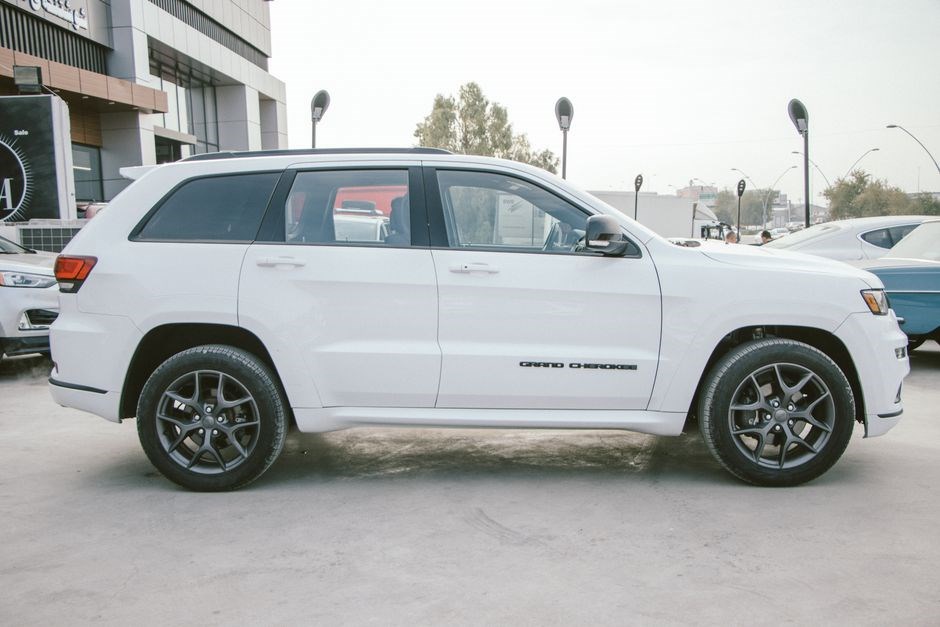
The 2013 Jeep Grand Cherokee measures 190.9 inches in length, 78.7 inches in width, and 68.4 inches in height, with a wheelbase of 112.2 inches. The curb weight ranges from 4,200 to 4,700 pounds depending on trim and drivetrain, while the maximum payload capacity sits at 1,500 pounds. Standard tire dimensions are 255/70R17 for most trims, expanding to 275/65R18 on higher‑performance models. The vehicle’s ground clearance is 8.7 inches, providing ample off‑road versatility. Fuel tank capacity holds 20.8 gallons, the overall dimensions allow for 5,200 cubic feet of cargo space behind the rear seats 10,000 cubic feet with them folded. The front rear track widths are 71.1 and 71.0 inches respectively, ensuring a stable stance on uneven terrain. Additional specifications include a maximum towing capacity of 5,000 pounds for the 4.0‑liter V6 models and a 4‑wheel‑drive system that can be engaged via the “4‑Wheel‑Drive” button on the dashboard. The vehicle’s overall weight distribution is balanced at 53% front and 47% rear, contributing to predictable handling characteristics. All measurements are taken with the vehicle in a standard configuration, without optional heavy‑load accessories. The dimensions and weight figures are sourced from the official 2013 owners manual and verified against manufacturer specifications.
Overall, the Grand Cherokee’s compact footprint and balanced weight make it on streets while sturdy chassis handles rough trails with ease!!?
Safety and Driver Assistance
The 2013 Grand Cherokee delivers comprehensive safety with standard side‑air bags, 5‑point seat belts, and a 6‑point restraint system. Driver assistance features include blind‑spot monitoring, rear‑view camera, and adaptive cruise control on higher trims. These systems enhance safety on all roads.
Airbag and Seatbelt Systems
Jeep’s 2013 Grand Cherokee features an airbag system that protects occupants in frontal, side, and rollover collisions. The vehicle includes driver and passenger front airbags, side airbags for the front seats, and curtain airbags that span the side windows to shield occupants from side impacts. A knee airbag is available on higher trims, offering protection for the torso during crashes.
Seatbelt deployment is coordinated by a restraint system that monitors belt tension and vehicle speed. When a collision is detected, the system inflates the airbags while locking the seatbelts to prevent occupant movement. The 5‑point seatbelt on the driver’s side and the 4‑point belt on the passenger side distribute impact forces across the shoulders, hips, and pelvis, reducing injury risk.
The system monitors forward traffic and can trigger seatbelt tensioners if a collision is imminent, tightening the belts before impact. This feature works with the airbag system to provide a safety approach. The side belt includes a tensioner that activates when the vehicle’s speed exceeds 35 mph and a collision is detected, ensuring the belt is snug before impact.
Regular maintenance of the airbag and seatbelt system is required. Inspect seatbelts for damage, and ensure that the airbag indicator light on the dashboard remains off. If the light illuminates, a diagnostic check is required to identify fault codes. The owner’s manual recommends inspecting the airbag system during service intervals, and any malfunctioning components should be replaced to maintain vehicle safety integrity.
Advanced Driver Assistance Systems (ADAS)
Jeep’s 2013 Grand Cherokee equips drivers with a suite of safety technologies designed to enhance situational awareness and reduce the likelihood of collision. The standard package includes a forward‑collision warning system that monitors the distance to the vehicle ahead and, if a potential impact is detected, issues a visual and audible alert. When the driver fails to respond, the system can automatically apply the brakes to mitigate or avoid a crash. This feature is particularly useful in stop‑and‑go traffic and during sudden braking scenarios.
Lane‑departure warning is another integral component. Sensors track the vehicle’s position relative to lane markings, and the system alerts the driver with a chime and a dashboard message if the vehicle begins to drift outside its lane without a turn signal. The driver can then correct the steering to prevent an unintended lane change. In higher trim levels, a lane‑keeping assist system can provide gentle steering inputs to keep the vehicle centered.
Adaptive cruise control maintains a preset speed while automatically adjusting the throttle and braking to keep a safe following distance from the vehicle ahead. The system uses radar and camera input to detect traffic patterns and can bring the vehicle to a complete stop in heavy traffic, resuming speed when the lane clears. This reduces driver fatigue on long highway drives.
The 2013 Grand Cherokee also offers a blind‑spot monitoring system that uses radar sensors to detect vehicles in adjacent lanes. When a vehicle is detected, a warning light illuminates in the side mirror, alerting the driver to potential hazards during lane changes. Additionally, a rear‑view camera provides a live feed to the infotainment screen, assisting with parking and low‑speed maneuvering.
All these systems rely on a network of sensors, cameras, and processors that communicate with the vehicle’s central computer. Proper calibration and routine checks are essential; the owner’s manual recommends inspecting sensor housings for debris and ensuring the camera lens remains clean. Failure to maintain these components can compromise ADAS effectiveness, reducing safety performance and safety.
Powertrain and Performance
The 2013 Grand Cherokee offers two V‑6 engines: a 3.6‑liter producing 285 hp and a 4.0‑liter delivering 260 hp. Both pair with a 7‑speed automatic, 4‑wheel drive, and a 0‑60 mph time of about 6.5 seconds. Fuel economy averages 17‑19 mpg city/24‑26 highway!!!
Engine Specifications and Fuel Economy
Engine Specifications and Fuel Economy
The 2013 Jeep Grand Cherokee is available with two V‑6 powerplants. The 3.6‑liter V6, the standard engine, delivers 285 horsepower at 6,200 rpm and 260 lb‑ft of torque at 4,400 rpm. It is paired with a 7‑speed automatic transmission and an available 4‑wheel‑drive system. The 4.0‑liter V6, optional on higher trims, produces 260 horsepower at 5,800 rpm and 260 lb‑ft of torque at 4,200 rpm, also mated to the same transmission and drivetrain. Both engines are cast‑iron blocks with aluminum heads, 16 valves, and electronic fuel injection. The 3.6‑liter engine achieves an EPA rating of 17 mpg city/24 mpg highway, while the 4.0‑liter engine is rated at 17 mpg city/23 mpg highway. Fuel economy varies with drive mode, transmission shift points, and vehicle load. The standard “Comfort” mode prioritizes smooth acceleration, whereas “Sport” mode shifts earlier for more responsive performance. The 4‑wheel‑drive system can be engaged manually or automatically, depending on trim. The manual also recommends a maintenance schedule: oil changes every 5,000 miles or 6 months, filter replacement, and a 10,000‑mile inspection for the 4.0‑liter engine. Proper tuning and regular service keep the powertrain efficient and reliable. The vehicle’s fuel efficiency can be further improved by maintaining proper tire pressure, using the recommended fuel grade, and minimizing excessive idling. Jeep’s EcoMode feature, available on certain trims, optimizes throttle response and transmission shifts to reduce fuel consumption during steady‑state cruising. Owners are advised to follow the manufacturer’s recommended service intervals, as timely oil changes and filter replacements help preserve engine longevity and performance. Regular maintenance ensures the engine runs smooth and saves fuel time today.
Transmission and Drivetrain Options
The 2013 Jeep Grand Cherokee is equipped with a 7‑speed automatic transmission that delivers smooth gear changes and efficient power delivery. The standard configuration pairs the transmission with front‑wheel drive, while 4‑wheel‑drive is optional on most trims. The 4‑wheel‑drive system uses a transfer case that can be engaged in low‑range mode for off‑road capability; Drivers select between “Comfort,” “Sport,” and “Eco” modes via the shift lever or dashboard selector. “Comfort” prioritizes fuel efficiency, “Sport” shifts earlier for dynamic driving, and “Eco” optimizes throttle response and transmission shifts to reduce consumption. The transfer case offers a low‑range gear ratio of 2.72:1, ideal for steep climbs. The transmission’s torque converter is lock‑up for better fuel economy at highway speeds. The vehicle’s suspension is double‑wishbone front and multi‑link rear, providing a comfortable ride and improved handling. Steering is power‑assist with adjustable height and angle. Maintenance includes periodic fluid changes, filter replacement, and inspection of the torque converter and transfer case fluid. The 4‑wheel‑drive differential locks can be engaged manually via a console switch, giving the driver full control over traction. The L trim comes standard with front‑wheel drive, while the Limited trim includes 4‑wheel‑drive as standard; The drivetrain is rated for a maximum towing capacity of 7,200 pounds when properly equipped. Proper maintenance ensures reliable operation and longevity of the drivetrain components. The electronic throttle control provides precise modulation, especially in Eco mode. The transmission’s shift logic is calibrated for each engine variant, ensuring optimal performance. The drivetrain’s components are designed to meet or exceed industry durability standards, ensuring reliable performance over the vehicle’s lifespan.
Maintenance and Service
Follow the owner’s manual schedule: oil every 5,000 miles, filter change, tire rotation, brake inspection, fluid checks, and battery test Inspect 4‑wheel‑drive fluid, transmission fluid, and coolant quarterly Keep records for warranty compliance Check alignment.
Recommended Maintenance Schedule
For optimal performance, the 2013 Jeep Grand Cherokee follows a systematic maintenance routine. Check mileage and trim level for variations. Record all services daily.
• Oil and filter: 5,000 miles or 6 months, whichever comes first. Use 5W‑30 synthetic blend unless the manual specifies otherwise.
• Tire rotation: 7,500 miles. Rotate in a cross pattern to even out wear.
• Brake pads and rotors: Inspect at every oil change; replace pads if thickness < 3 mm and rotors if scored or warped.
• Cabin air filter: Replace every 15,000 miles or 18 months.
• Engine coolant: Flush and replace every 60,000 miles or 5 years. Check radiator hoses for cracks.
• Transmission fluid: Check every 15,000 miles; replace at 60,000 miles.
• Power steering fluid: Inspect at every oil change; replace if cloudy or at 60,000 miles.
• 4‑wheel‑drive fluid: Replace every 30,000 miles.
• Battery: Inspect annually; replace if voltage < 12.5 V or if it shows signs of corrosion.
• Spark plugs: Replace every 100,000 miles.
• Belts and hoses: Inspect at every oil change; replace if cracked or frayed.
• Air conditioning refrigerant: Check for leaks at every 30,000 miles.
• Drive‑by‑wire system: Inspect for fault codes during each service interval.
Keep a log of services, now dates, mileage, parts. Helps maintain condition, support warranty, improve resale value!!.
Common Repair Issues and Fixes
Owners of the 2013 Grand Cherokee often report a handful of recurring problems. The most frequent is an oil leak from the valve cover gasket; replacing the gasket and reseating the valve cover eliminates the drip. Another issue is the 4‑wheel‑drive fluid line cracking; replace the line and refill with the specified 4‑WD fluid. Many drivers notice a whining noise from the front suspension, typically caused by worn ball joints or tie‑rod ends; swap the components and re‑align the front track. The electric power steering pump can fail, especially on the 4.0L V6; replace the pump and reset the EPS module. Battery corrosion is common; clean terminals and replace the battery if voltage drops below 12.5 V. Finally, the air‑conditioning system may lose refrigerant due to a small leak; locate the leak, repair, and recharge with R‑134a. Regular inspection of these areas during routine maintenance can prevent costly repairs.
When diagnosing these issues, use the vehicle’s diagnostic scan tool to read fault codes. A common code for the 4‑WD pump is P0700; clearing it after replacement resets the system. For suspension noises, inspect the sway bar bushings; damaged bushings can be replaced with OEM parts. If the power steering pump fails, check the EPS battery; a low voltage can trigger a warning light. For refrigerant leaks, a UV dye test can pinpoint the source. Finally, keep a maintenance log to track service intervals and avoid missing critical checks. Than
Owner Resources and Support
For 2013 Grand Cherokee owners, Jeep offers a comprehensive online portal featuring downloadable manuals, service bulletins, and a 24/7 live chat. The warranty covers parts and labor for 3 years/36,000 miles. Local dealers provide scheduled maintenance and roadside assistance. Call1-800-555-1234 now
Warranty Coverage and Service Plans
The 2013 Jeep Grand Cherokee comes with a standard limited warranty that protects owners against manufacturing defects for three years or 36,000 miles, whichever comes first. This coverage includes the powertrain, drivetrain, and body components, as well as all major electronic modules. In addition, a separate powertrain warranty extends to five years or 60,000 miles for the V6 engines, ensuring that critical components such as the transmission, differential, and transfer case are covered. The corrosion‑resistance warranty lasts for seven years or 100,000 miles, protecting the body panels and underbody from rust. For those who want extra peace of mind, Jeep offers optional extended warranty plans that can be purchased at the time of sale or later. These plans can cover additional components such as the air conditioning system, suspension, and steering, and can be tailored to specific mileage or time limits. Service plans are available through authorized dealers and include scheduled maintenance packages that cover oil changes, filter replacements, and fluid checks at discounted rates. These packages also provide free vehicle inspections and a roadside assistance service that is available 24/7. Owners can access all warranty and service plan details through the official Jeep website, by calling the customer service hotline, or by visiting a local dealership. The warranty also covers accidental damage, and the service plans include free tire rotations every 10000 miles.
Dealer Locator and Support Contacts
Finding a qualified Jeep dealer for your 2013 Grand Cherokee is straightforward. Visit the official Jeep website and use the “Dealer Locator” tool, entering your ZIP code or city and state to receive a list of authorized dealerships within a 50‑mile radius. For immediate assistance, call the national Jeep Customer Service line at 1‑800‑JEOPARD (1‑800‑538‑2747). The line is staffed Monday through Friday from 7:00 a.m. to 7:00 p.m. local time, and Saturday from 8:00 a.m. to 5:00 p.m. All inquiries regarding warranty, service, or parts can be directed to the dealer’s service manager, who will coordinate with the manufacturer’s parts department. If you need to file a warranty claim, you can also email the Warranty Claims Department at warranty@jeep.com, or submit a claim online via the Jeep Claim Portal. For roadside assistance, the Jeep Roadside Assistance program is available 24/7 and can be reached by dialing 1‑800‑JEOPARD or by using the Jeep mobile app, which offers real‑time assistance requests and GPS tracking; For parts and accessories, the Jeep Parts Center provides a comprehensive catalog; contact them at 1‑800‑JEOPARD‑P (1‑800‑538‑2748) or visit parts.jeep.com. All customer support resources are available in multiple languages, and the Jeep website offers a live chat feature for quick answers. Remember to keep your vehicle’s VIN and service records handy when contacting any dealer or support center to expedite service and warranty processing. Dealer centers offer tire rotations every 10,000 miles.OK