

Anatomy and Physiology Study Guide PDF: A Comprehensive Overview (Updated 03/13/2026)
Today’s date is 03/13/2026 22:37:07. This invaluable PDF resource demystifies introductory anatomy and physiology, offering comprehensive support, including OpenStax solutions and lab guides!
What is Anatomy and Physiology?
Anatomy, at its core, is the study of the body’s structures – its parts, from the macroscopic organs down to the microscopic cells. It delves into where things are located, what they are made of, and how they’re connected. This includes both gross anatomy (visible to the naked eye) and microscopic anatomy, often referred to as histology, examining tissues under a microscope.
Physiology, conversely, focuses on the functions of those structures. It explores how the body parts work, both individually and in coordination, to maintain life. It investigates the chemical and physical processes involved. Crucially, anatomy and physiology are inextricably linked; structure dictates function, and function shapes structure.
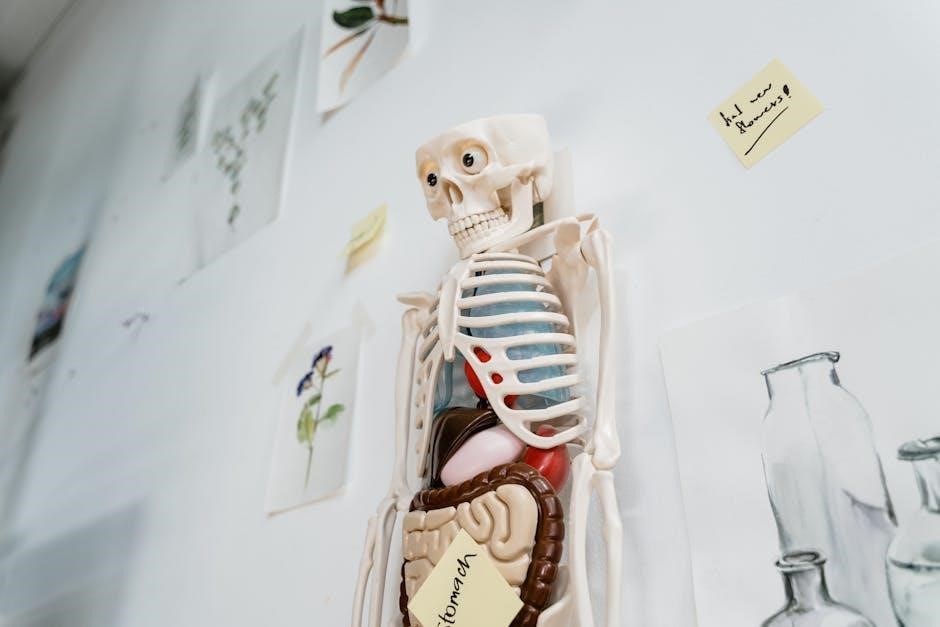
This study guide emphasizes this vital relationship, providing a foundation for understanding the human body. It’s a two-part course often based on texts like OpenStax Anatomy and Physiology, covering both gross and microscopic levels, preparing students for midterms and cumulative final exams.
The Importance of a Study Guide PDF
A comprehensive Anatomy and Physiology Study Guide PDF is an indispensable tool for navigating this complex subject. It consolidates crucial information, offering a focused review of key concepts, anatomical terms (like cytology, histology, and neurology), and physiological processes. These PDFs often include practice questions, aiding in knowledge retention and exam preparation.
The value lies in portability and accessibility – students can study anytime, anywhere. Furthermore, a well-structured PDF highlights structure-function relationships, a cornerstone of A&P; Many guides incorporate clinical correlations and case studies, bridging theoretical knowledge with real-world applications.
Resources like those accompanying Georgia State University’s BIOL 2110K/2120K labs, and solutions manuals for OpenStax texts, demonstrate the power of targeted study materials. They transform a potentially ‘scary’ subject into a manageable and understandable field of study.
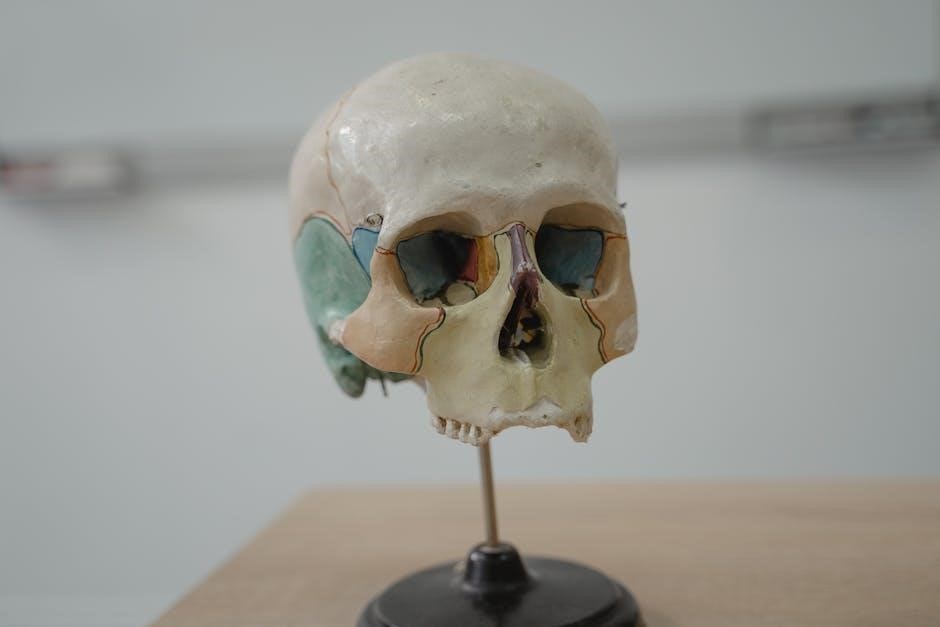
Key Anatomical Terminology
Study guides introduce essential terms – cytology, histology, neurology – forming the foundation for understanding the human body’s intricate structure and function.
Anatomical Position & Directional Terms
A crucial component of any anatomy and physiology study guide is mastering the anatomical position – standing erect, feet slightly apart, palms facing forward. This standardized baseline allows for consistent and unambiguous descriptions of body structures and their relationships.
Directional terms, such as superior (above), inferior (below), anterior (front), posterior (back), medial (towards the midline), and lateral (away from the midline), are essential for pinpointing locations. Understanding these terms is paramount for accurately interpreting anatomical descriptions and clinical reports.
Effective study guides will emphasize practical application, requiring students to identify structures based on directional references. This builds a strong foundation for visualizing and comprehending the complex organization of the human body, ultimately aiding in clinical correlation and problem-solving.
Body Planes & Sections
A comprehensive anatomy and physiology study guide must thoroughly cover body planes and sections, vital for understanding how the body is divided and visualized. The sagittal plane divides the body into left and right portions, while the frontal (coronal) plane separates anterior and posterior sections.
The transverse plane, also known as the horizontal plane, divides the body into superior and inferior parts. Sections – such as sagittal, frontal, and transverse – are “cuts” made along these planes, revealing internal structures.
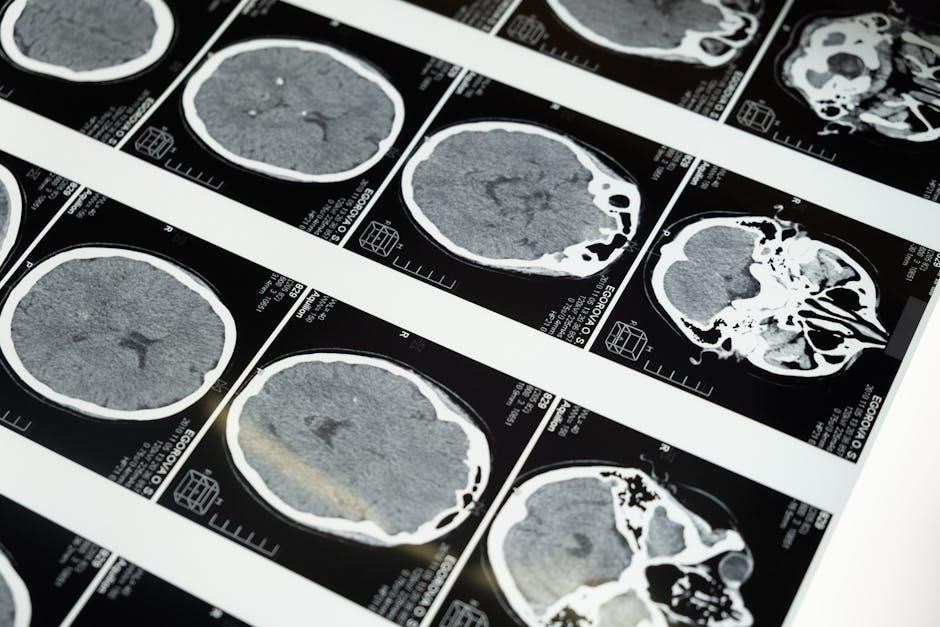
Study guides should include diagrams illustrating these planes and sections, alongside exercises requiring students to identify structures within specific sections. This spatial understanding is critical for interpreting medical imaging (like CT scans and MRIs) and accurately describing anatomical relationships.

Levels of Structural Organization
Anatomy and physiology study guides expertly detail organization: chemical, cellular, tissue, organ, system, and organismal levels, building complexity from simple to intricate structures.
Chemical Level
At the foundational chemical level, anatomy and physiology study guides emphasize the importance of atoms, molecules, and their interactions. These guides meticulously explain how elements combine to form essential biological molecules – carbohydrates, lipids, proteins, and nucleic acids – crucial for life’s processes.

Understanding chemical bonds (ionic, covalent, hydrogen) is paramount, as they dictate molecular shape and function. Study materials often detail pH, crucial for maintaining homeostasis, and the roles of various ions in cellular activities.
Furthermore, guides highlight how these chemical components contribute to larger structures, setting the stage for understanding cellular functions. A solid grasp of chemistry is presented as indispensable for comprehending subsequent levels of structural organization within the human body, as detailed in comprehensive study PDFs.
Cellular Level
Building upon the chemical foundation, anatomy and physiology study guides delve into the cellular level – the basic structural and functional units of life. These resources meticulously detail cell structures, including the plasma membrane, nucleus, and various organelles (mitochondria, ribosomes, endoplasmic reticulum, Golgi apparatus).
Emphasis is placed on understanding cellular processes like diffusion, osmosis, active transport, and cellular respiration, vital for maintaining cell viability. Guides often illustrate how different cell types (e.g., muscle cells, nerve cells) are specialized for specific functions.
Furthermore, study PDFs highlight the importance of cell communication and the role of DNA in directing cellular activities. A thorough understanding of cellular biology is presented as essential for comprehending tissue formation and organ system function, as detailed in comprehensive study materials.
Tissue Level
Anatomy and physiology study guides comprehensively cover the tissue level, building upon cellular foundations. They detail the four primary tissue types: epithelial, connective, muscle, and nervous tissue, emphasizing their unique structures and functions;
PDF resources illustrate how epithelial tissues form protective coverings and linings, while connective tissues provide support and connection. Muscle tissues enable movement, and nervous tissues facilitate communication. Guides often include microscopic images (histology) to aid in tissue identification.
Crucially, these materials explain how tissue organization contributes to organ function. They explore specialized tissues like cartilage, bone, and blood, detailing their specific roles within the body. Understanding tissue characteristics is presented as fundamental for grasping the complexities of organ systems and overall physiological processes, as found in detailed study aids.
Organ Level
Anatomy and physiology study guide PDFs meticulously examine organs – discrete structures composed of multiple tissues working in concert. These resources detail the anatomy of each organ, outlining its specific components and their spatial relationships. They emphasize how the arrangement of tissues directly contributes to the organ’s specialized functions.
For example, a study guide will dissect the heart, explaining how cardiac muscle, connective tissue, and nervous tissue collaborate to pump blood. Similarly, the stomach’s layered structure – mucosa, submucosa, muscularis externa, and serosa – is explained in relation to digestion.
PDFs often include diagrams and clinical correlations, illustrating how organ dysfunction manifests as disease. Understanding organ-level interactions is presented as vital for comprehending systemic physiology, and these guides provide a solid foundation for advanced study, referencing texts like OpenStax.
System Level
Anatomy and physiology study guide PDFs transition from organs to systems – groups of organs cooperating to accomplish common functions. These guides thoroughly explore each system, like the cardiovascular system (heart, blood vessels, blood) and its role in circulation. They detail how organs within a system interact, creating integrated physiological responses.
For instance, a PDF will explain how the respiratory and cardiovascular systems work together to deliver oxygen to tissues. The skeletal and muscular systems’ coordinated action for movement is also a key focus. These resources often highlight feedback loops and regulatory mechanisms governing system function.
Clinical correlations are frequently included, demonstrating how system failures lead to specific pathologies. Utilizing resources like OpenStax, these PDFs emphasize the interconnectedness of body systems, preparing students for complex case studies and a holistic understanding of physiology.
Organismal Level
Anatomy and physiology study guide PDFs culminate at the organismal level, representing the sum total of all structural levels working in unison. This is where the entire human being is considered, showcasing how all systems integrate to maintain life. These guides emphasize that disruptions at any lower level (chemical, cellular, tissue, organ, or system) ultimately manifest as organism-level symptoms.
PDFs often present case studies illustrating how various systems respond to stressors, like infection or injury, impacting the whole organism. They highlight the importance of homeostasis – the body’s ability to maintain a stable internal environment – and the consequences of its failure.
Resources like those from Georgia State University’s BIOL courses demonstrate this level through comprehensive exams covering all integrated functions. Understanding the organismal level is crucial for clinical applications and a complete grasp of anatomy and physiology.

Major Body Systems Covered in Study Guides
Anatomy and physiology study guide PDFs thoroughly explore systems like skeletal, muscular, nervous, endocrine, and cardiovascular, providing detailed insights into their structures and functions.
Skeletal System
Study guides dedicated to the skeletal system meticulously cover bone structure, classifications (long, short, flat, irregular), and the crucial processes of bone formation and remodeling. Expect detailed explorations of axial and appendicular skeletons, including specific bone identification and landmark recognition.
Furthermore, these resources delve into joint classifications – fibrous, cartilaginous, and synovial – explaining their structure and range of motion. A strong emphasis is placed on understanding skeletal system pathologies, such as fractures, osteoporosis, and arthritis, alongside their clinical correlations.
Exam preparation materials often include questions focusing on Chapter 5 content, ensuring students grasp the skeletal system’s integral role in support, protection, and movement. Understanding the anatomical basis of clinical terms is paramount, as highlighted in review sections.
Muscular System
Anatomy and physiology study guides comprehensively address the muscular system, detailing the three muscle tissue types – skeletal, smooth, and cardiac – with a focus on their microscopic anatomy and functional differences. Expect in-depth coverage of skeletal muscle structure, from fascicles to sarcomeres, and the sliding filament theory of muscle contraction.
These resources explore muscle attachments, actions, and naming conventions, often utilizing diagrams and clinical examples. Neuromuscular junctions and the role of neurotransmitters in muscle stimulation are also key areas of focus. Guides frequently include sections on muscle fatigue, energy sources for contraction, and common muscle disorders.

Effective study materials emphasize the relationship between muscle structure and function, preparing students to explain the anatomical basis of clinical conditions affecting the muscular system.
Nervous System
Anatomy and physiology study guides dedicate significant attention to the nervous system, dissecting its organizational hierarchy from neurons to the brain and spinal cord. Expect detailed explorations of neuronal structure, including synapses and neurotransmission, alongside classifications of nervous tissue – central and peripheral.
These resources thoroughly cover brain regions, their functions, and associated neurological conditions. Spinal cord anatomy, nerve pathways, and reflex arcs are also central topics. Guides often incorporate clinical correlations, such as stroke or spinal cord injuries, to illustrate anatomical relevance.
Effective study materials emphasize the intricate relationship between structure and function within the nervous system, preparing students to analyze how anatomical disruptions manifest as neurological symptoms.
Endocrine System
Anatomy and physiology study guides meticulously detail the endocrine system, focusing on hormone-secreting glands and their regulatory roles. Expect comprehensive coverage of the pituitary, thyroid, parathyroid, adrenal, pancreas, and gonads – outlining their anatomical locations and hormonal outputs.
These resources delve into hormone mechanisms of action, receptor types, and feedback loops governing endocrine function. Guides often categorize hormones based on chemical structure (steroids, peptides, amines) and explore their diverse physiological effects.
Clinical correlations, such as diabetes mellitus or thyroid disorders, are frequently integrated to demonstrate the impact of endocrine dysfunction. Understanding the anatomical basis of these conditions is crucial, and study guides facilitate this connection.
Cardiovascular System
Anatomy and physiology study guides provide in-depth explorations of the heart, blood vessels, and blood itself. Expect detailed diagrams illustrating the heart’s chambers, valves, and associated vasculature – the superior and inferior vena cava, pulmonary artery, and aorta.
These resources thoroughly cover cardiac physiology, including the cardiac cycle, conduction system, and regulation of heart rate and stroke volume. Blood vessel structure (arteries, veins, capillaries) and their functional differences are also key components.
Clinical correlations, like hypertension or atherosclerosis, are frequently included, emphasizing the anatomical underpinnings of cardiovascular disease. Understanding the anatomy of cardiac veins, as highlighted in research like the CIDS study, is vital for comprehensive learning.

Utilizing Anatomy & Physiology Study Guides Effectively
Study guides excel by linking structure to function, incorporating clinical cases, and aiding microscopic anatomy review – essential for mastering complex physiological concepts!
Focus on Structure-Function Relationships
A cornerstone of anatomy and physiology is understanding how a structure enables a specific function. Study guides, particularly those accompanying texts like OpenStax, should consistently emphasize this vital connection. Don’t simply memorize bone names; explore why their shape supports movement or protects organs.
Effective study involves actively relating anatomical features – whether gross structures or microscopic histology – to their physiological roles. For example, consider how the alveoli’s structure maximizes gas exchange in the lungs.
The provided materials, including lab guides from institutions like Georgia State University (BIOL 2110K/2120K), often present scenarios where structural abnormalities lead to functional deficits. Prioritize these clinical correlations; they solidify understanding and prepare you for real-world applications. A significant portion of lecture exams will ask you to explain the anatomical basis and clinical relevance!
Clinical Correlations & Case Studies
Anatomy and physiology truly come alive when linked to clinical applications. High-quality study guides, like those supporting OpenStax textbooks, frequently incorporate case studies illustrating how anatomical variations or disruptions manifest as physiological problems. These scenarios bridge the gap between theoretical knowledge and practical understanding.
For instance, exploring the anatomy of cardiac veins in relation to implantable defibrillator placement (as seen in the Canadian Implantable Defibrillator Study ― CIDS) demonstrates real-world relevance.
Focus on understanding why a specific anatomical feature is crucial for normal function, and what happens when it’s compromised. The single most important section of any study guide is often the lists of clinical terms and drawings within each review section. Expect a substantial portion of exams to assess your ability to explain anatomical bases and clinical implications!
Reviewing Microscopic Anatomy (Histology)
Don’t underestimate the importance of histology! Anatomy and physiology study guides should dedicate significant attention to microscopic structures. Understanding tissue types – epithelial, connective, muscle, and nervous – is fundamental to grasping organ function and systemic physiology.
Effective guides will provide clear images and descriptions of these tissues, highlighting key characteristics. Focus on relating microscopic structure to macroscopic function; for example, how the arrangement of muscle fibers impacts contractile force.
Many guides, particularly those accompanying lab manuals like those from Georgia State University (BIOL 2110K/2120K), include histological slides for practice identification. Regular review of these slides, coupled with understanding the clinical relevance of tissue changes, is crucial for success. Remember, structure dictates function at all levels!
Resources for Anatomy and Physiology PDFs
Access valuable PDFs! Explore OpenStax College textbooks, solutions manuals, and lab guides – like those from Georgia State University – for comprehensive study support.
OpenStax College Textbooks & Solutions Manuals
OpenStax provides freely accessible, peer-reviewed textbooks, making high-quality educational resources available to all students. Their Anatomy & Physiology textbook serves as a cornerstone for many introductory courses, and is frequently referenced in study guides and exam preparation materials.
Crucially, solutions manuals are available for the second edition (ISBN: 9781711494067) in both PDF and DOCX formats. These manuals are incredibly helpful for reinforcing understanding and checking answers to practice questions. They allow students to work through problems independently, identifying areas where further study is needed.
Utilizing both the textbook and corresponding solutions manual offers a powerful combination for mastering the complexities of anatomy and physiology. Students can actively engage with the material, test their knowledge, and build a solid foundation for future learning. These resources are particularly valuable when creating or utilizing a study guide PDF.
Lab Guides (e.g., Georgia State University BIOL 2110K/2120K)
Laboratory guides are essential companions to anatomy and physiology textbooks, providing hands-on experience and reinforcing theoretical concepts. A prime example is the lab guide for BIOL 2110K and BIOL 2120K at Georgia State University, published by bluedoor, LLC. These guides typically include detailed instructions for dissections, microscopy, and physiological experiments.
Effective study guide PDFs often incorporate elements from these lab manuals, such as diagrams, labeling exercises, and pre-lab questions. They help students prepare for lab sessions and solidify their understanding of anatomical structures and physiological processes.
Access to a comprehensive lab guide, whether through a university course or as a supplemental resource, significantly enhances the learning experience and contributes to a more thorough grasp of anatomy and physiology principles. They bridge the gap between theory and practice.